Parker House Rolls
As an amazon associate I earn from qualifying purchases.
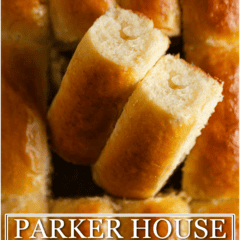
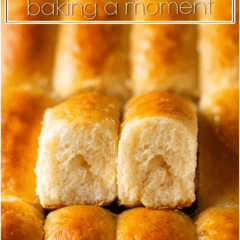
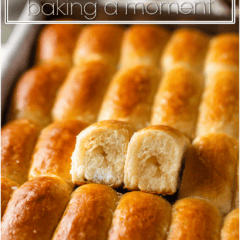
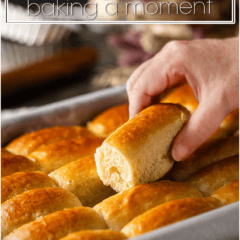
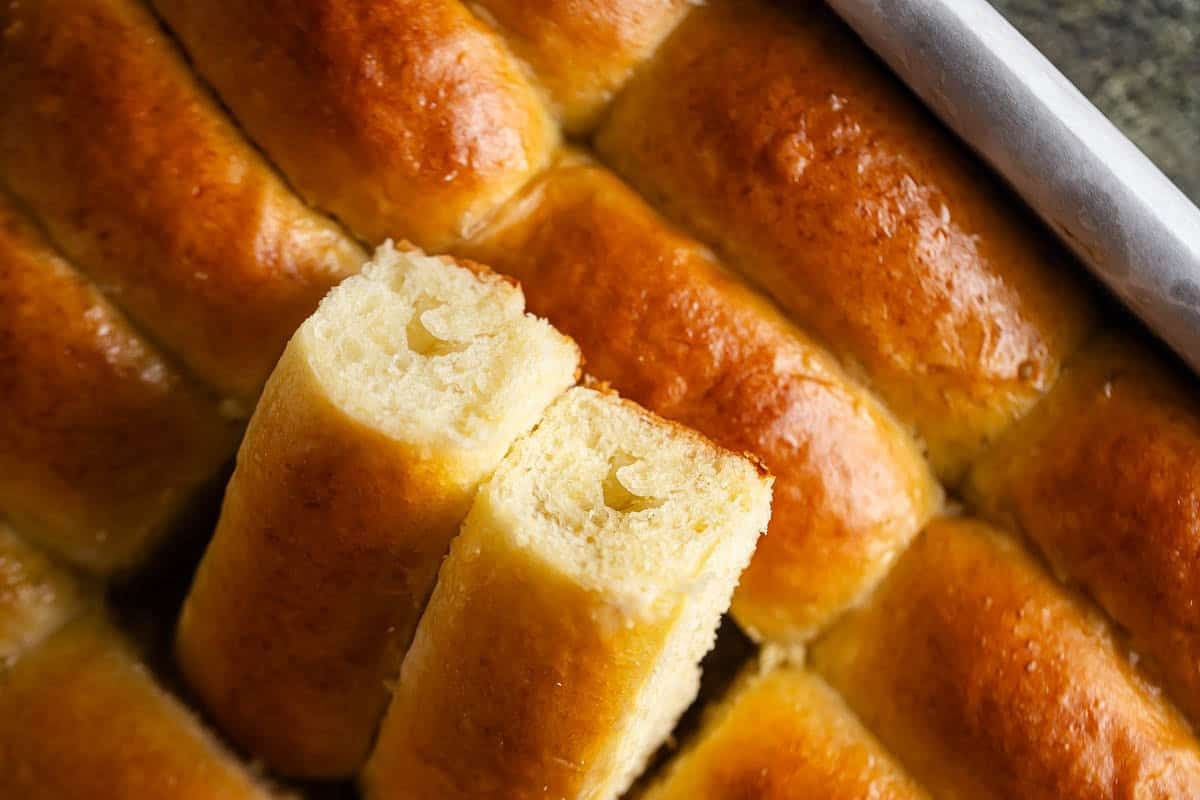
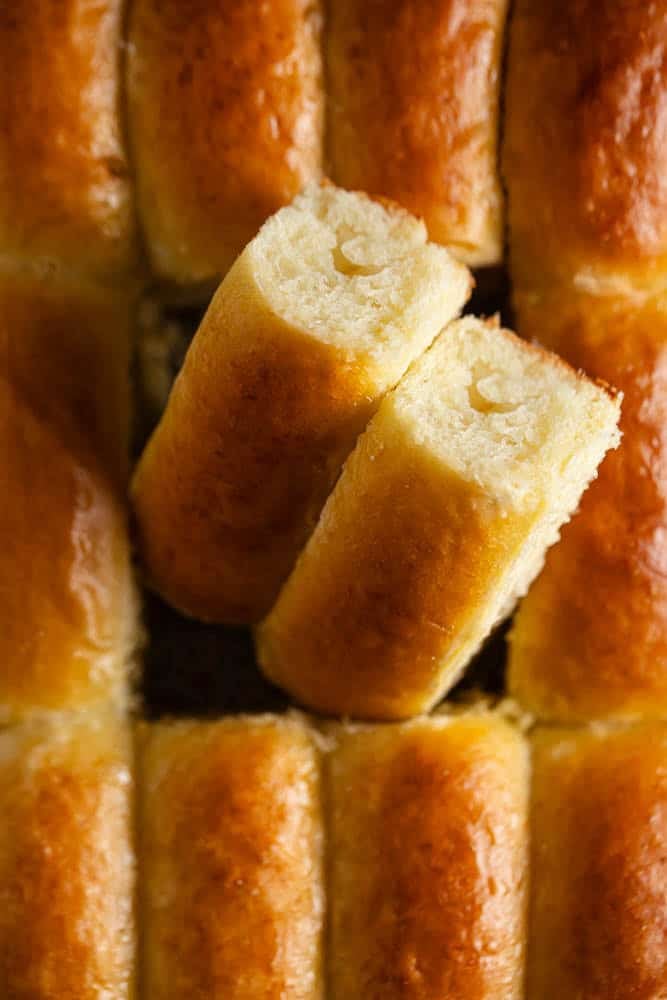
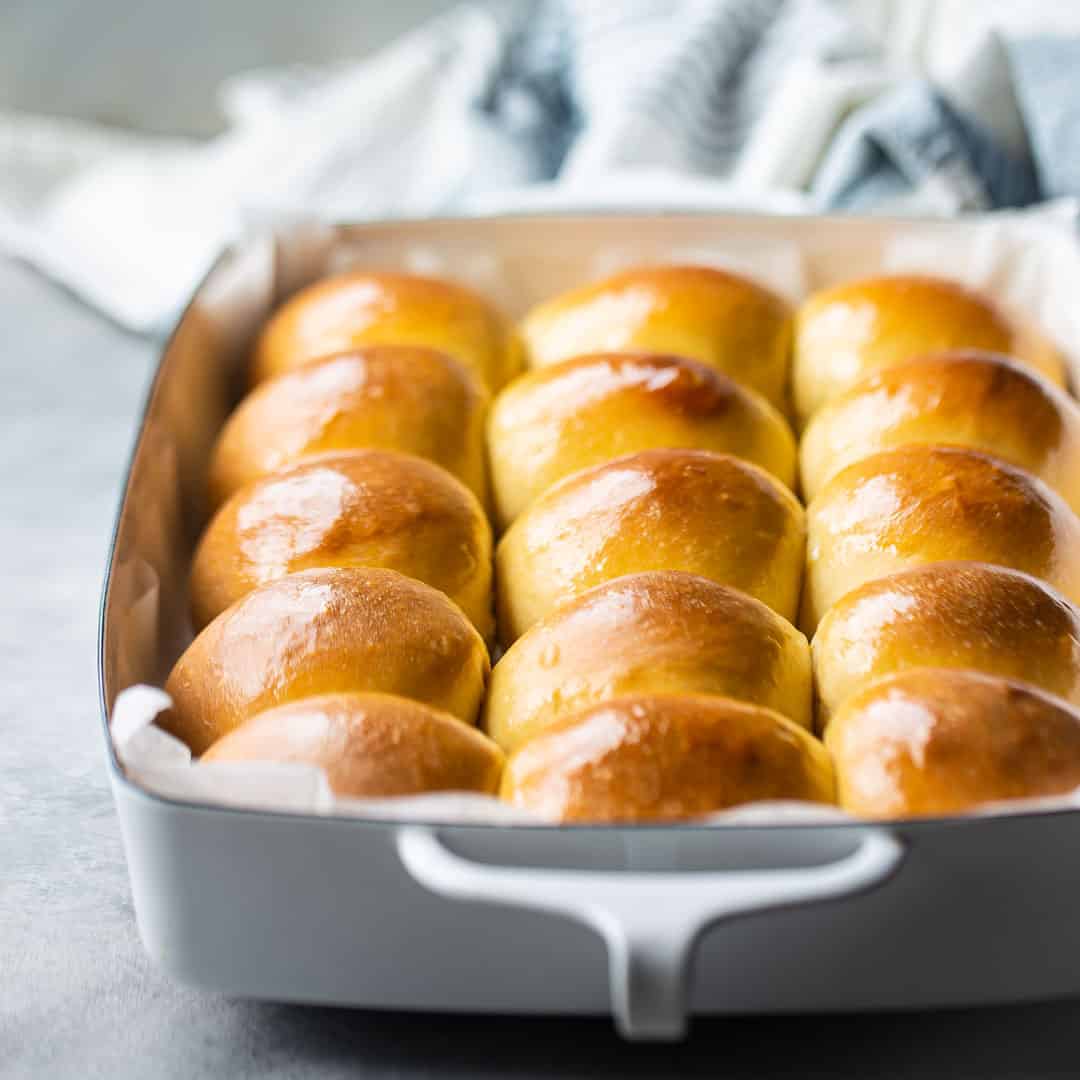
My Parker House Rolls are soft and buttery, with a light sprinkle of salt on top. The dough uses milk, eggs, and butter, is rolled thin, brushed with melted butter, folded, and baked in a 9-by-13-inch pan so the rolls pull apart in layers. This recipe makes 24 rolls and takes about 3 hours and 25 minutes, but most of that is just waiting for the dough to rise. You can also shape the rolls ahead of time and chill them overnight.
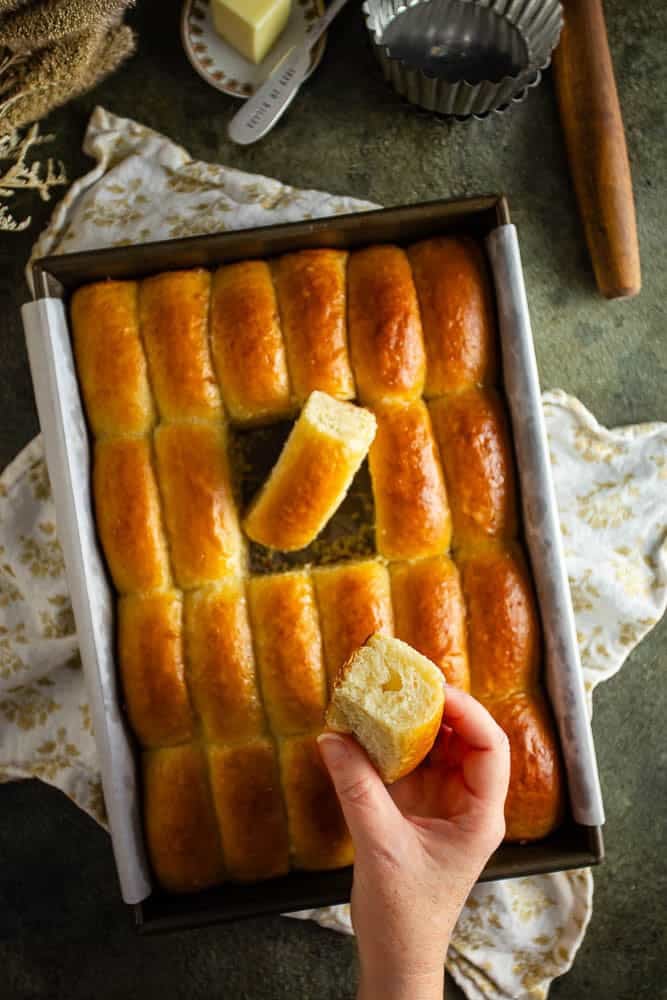
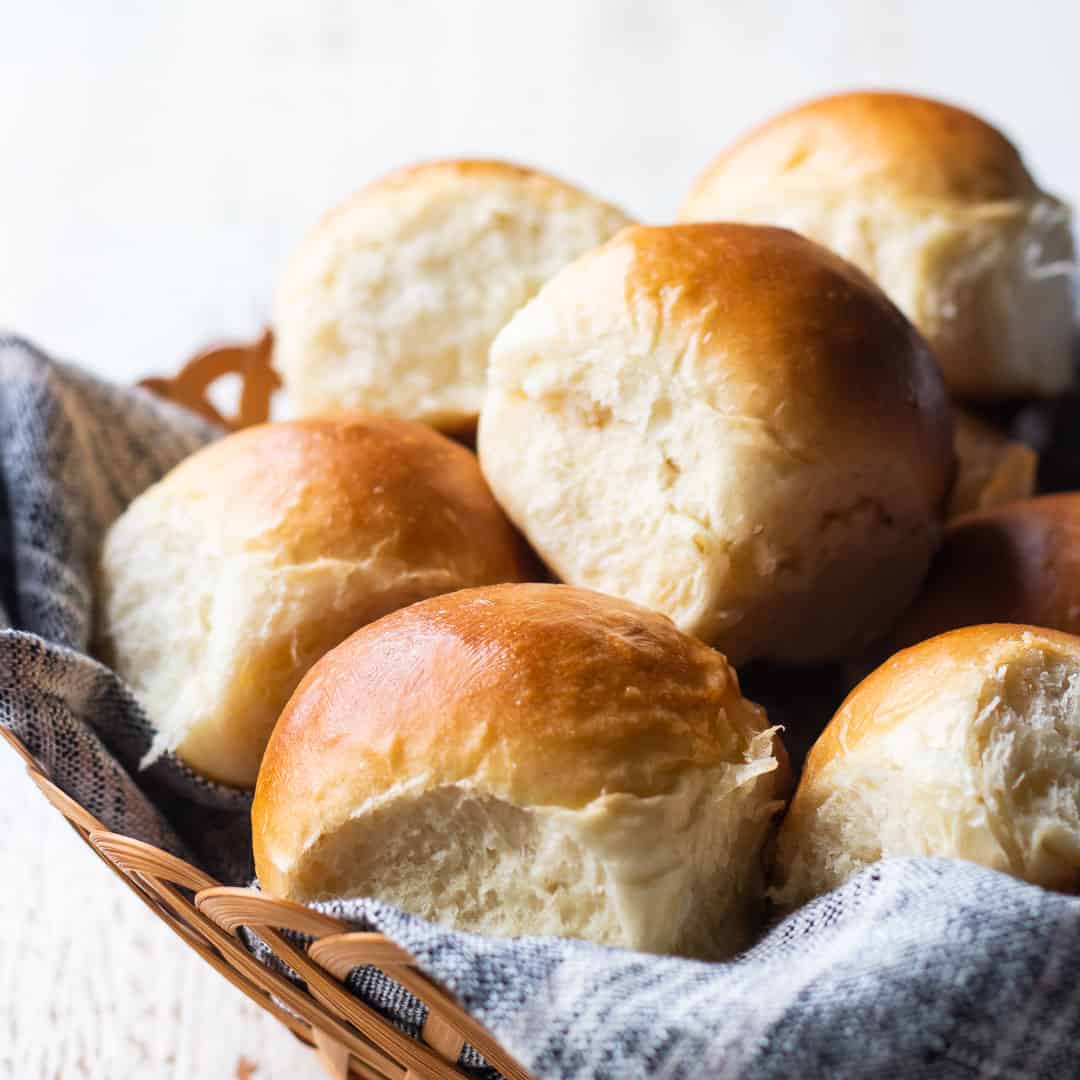
Parker House rolls get their name from the Parker House Hotel in Boston, and they're a classic for good reason. I always keep a basket of warm, buttery rolls on the holiday table, and these are always the first to go. The salted, buttery tops make them extra special.
Here's Why You'll Love This Recipe
- These rolls are soft and buttery. The milk, egg, egg yolk, and butter in the dough make them rich and tender.
- The tops are salty and buttery. Right after baking, I brush them with melted butter and sprinkle on flaky sea salt.
- This recipe makes 24 rolls, which is plenty for a holiday dinner or a big family meal.
- You can make these ahead of time. Shape the rolls, refrigerate overnight, then let them come to room temperature before baking.
- No special equipment is needed. All you need is a bowl, a baking pan, and your hands.
Ingredients You'll Need
The recipe card at the bottom of the post contains the full list with all of the amounts. Refer to that when you're cooking.
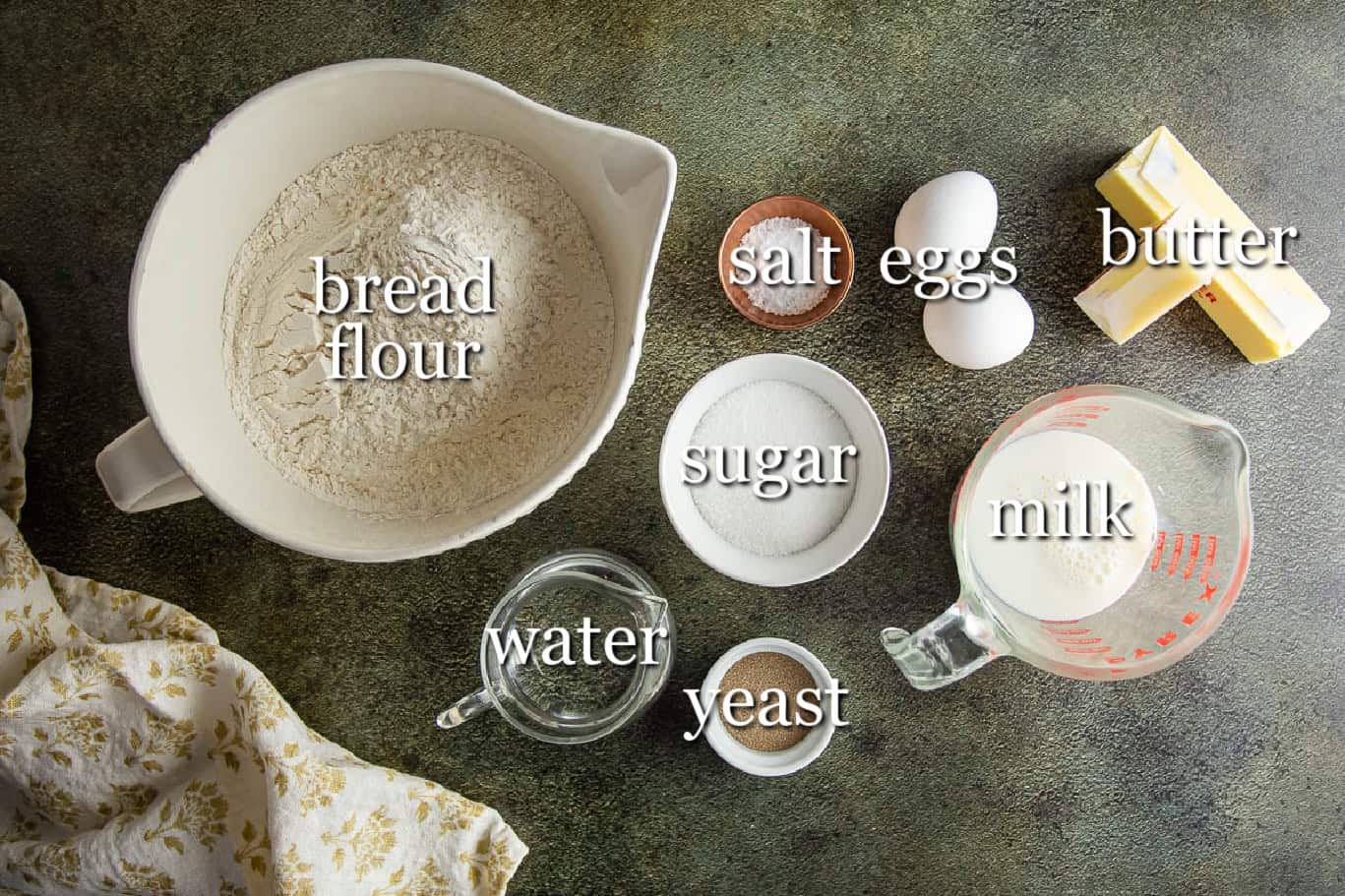
- Bread flour: Gives the rolls structure and a soft, slightly chewy texture. If you only have all-purpose flour, that works too, but the rolls will be a bit less chewy.
- Salt: Sprinkle it around the edge of the bowl so it won't touch the yeast right away.
- Granulated sugar: Adds a little sweetness and feeds the yeast.
- Warm water: The water should be about 105°F. If the water is too hot, it can kill the yeast, and if it's too cold, the yeast will work more slowly.
- Active dry yeast: Makes the dough rise. Sprinkle it on top of the warm water and let it dissolve.
- Milk: Makes the rolls tender and rich. Whole milk gives the best flavor.
- Egg and egg yolk: Add richness and color. Use large eggs.
- Unsalted butter: Softened butter mixes into the dough more easily. If you forgot to soften it, see below for tips on softening butter quickly.
- Egg wash: One beaten egg mixed with a teaspoon or two of water. This gives the rolls their golden, shiny tops.
- Unsalted butter, melted: Brushed on the dough before folding, and on the rolls after baking.
- Flaky sea salt: An optional garnish that adds crunch and balances the butter.
In Photos: How To Make Parker House Rolls
Step 1: Start Dough
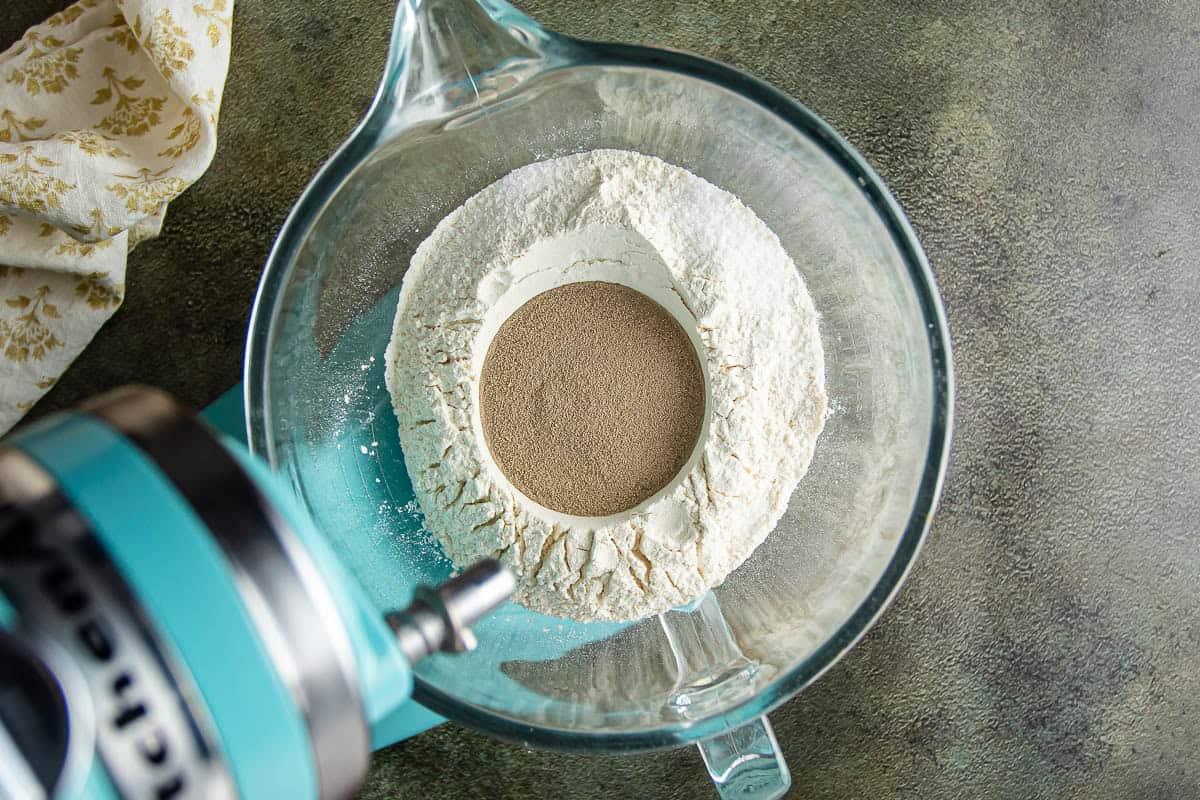
Start by combining the dry ingredients. Put the flour in a large bowl and sprinkle the salt around the edge.
Next, add the sugar, water, and yeast. Make a well in the center of the flour, add the sugar and warm water, then sprinkle the yeast on top and let it dissolve.
Step 2: Add Milk & Eggs
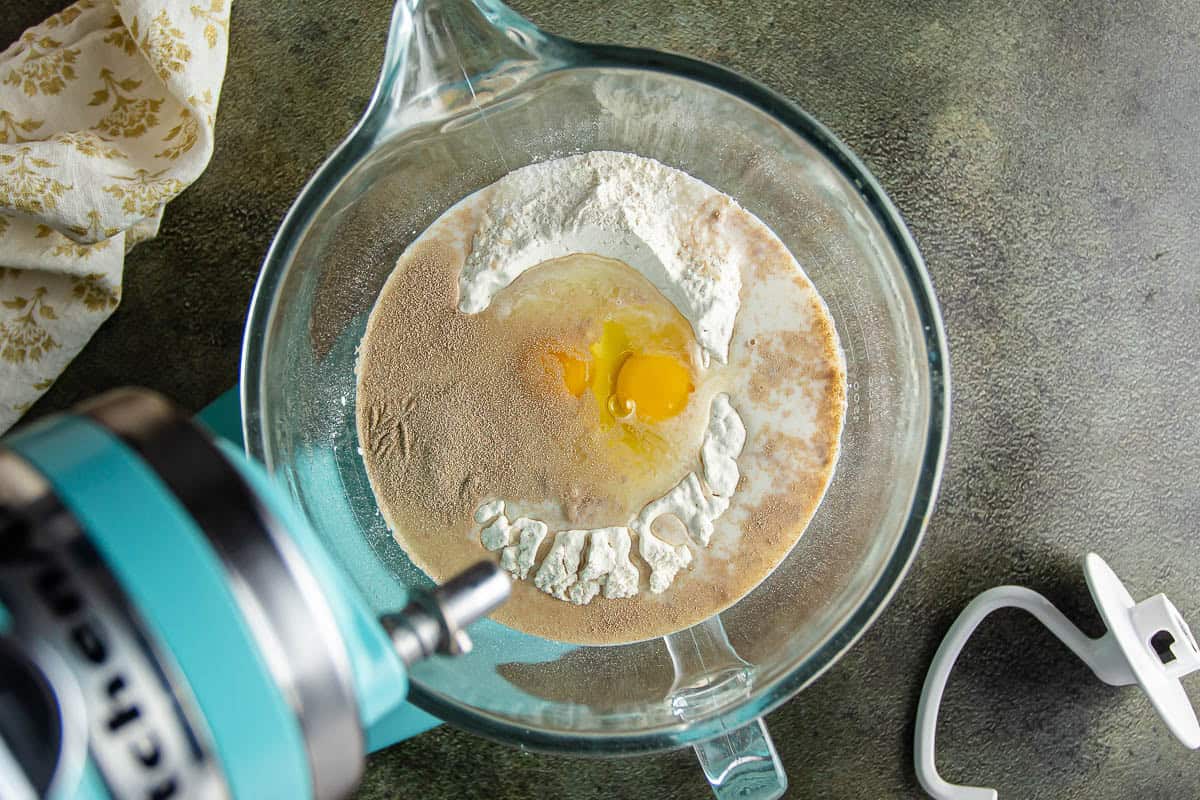
Add the milk, egg, and egg yolk to the liquid in the bowl.
Step 3: Stir & Slowly Add Butter
Stir from the center outward, slowly mixing in the dry ingredients until you have a sticky dough.
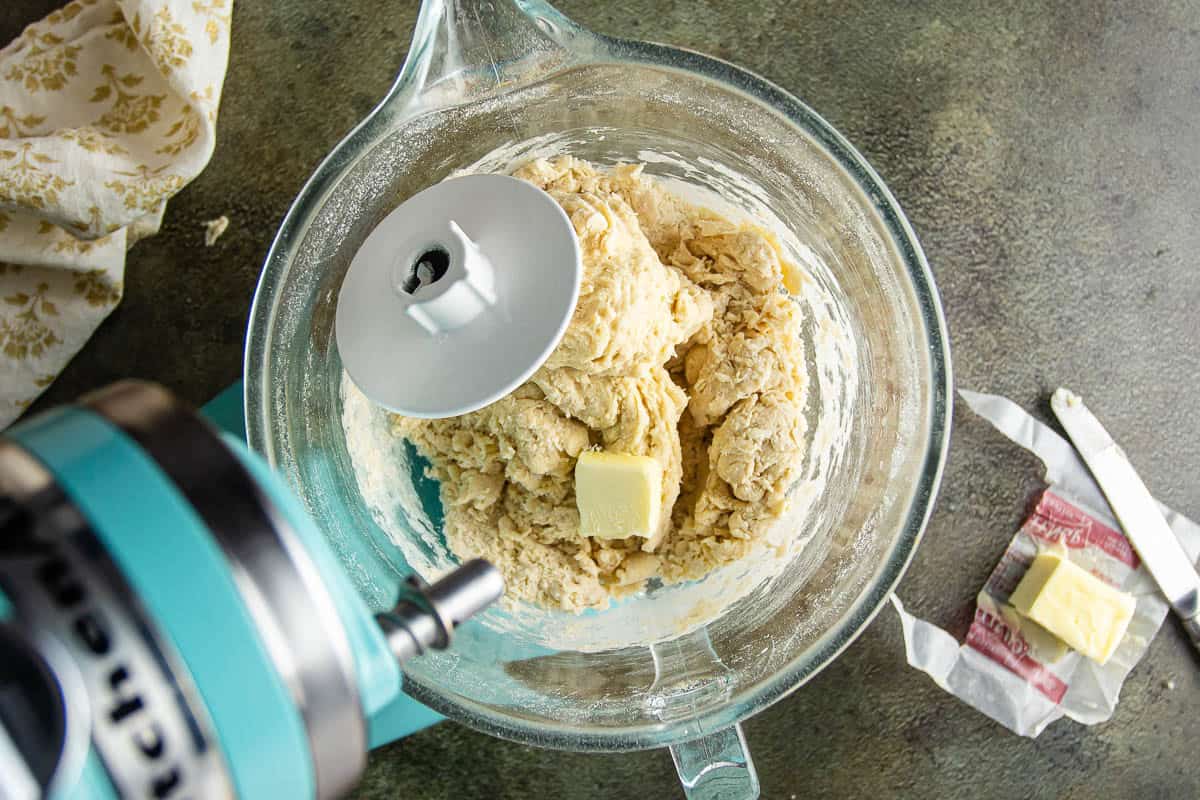
Add the softened butter to the dough one tablespoon at a time. Let each bit mix in fully before adding more.
Step 4: Knead
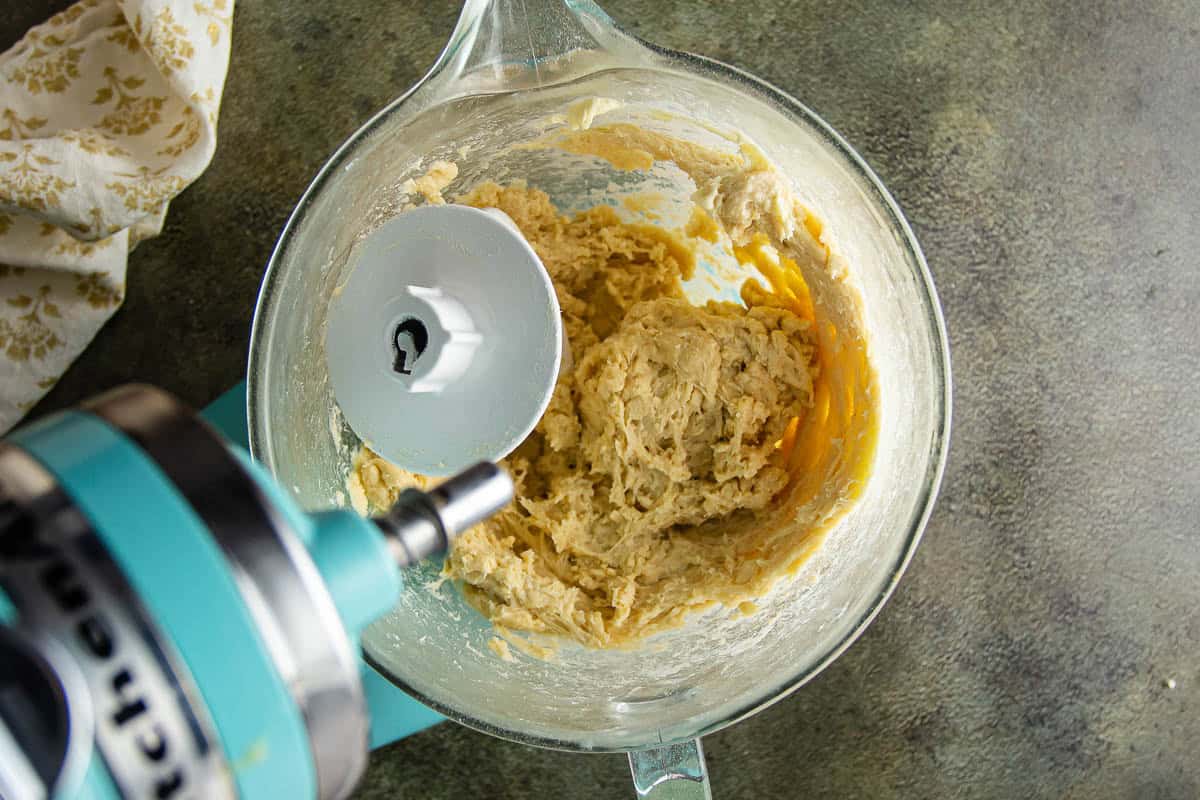
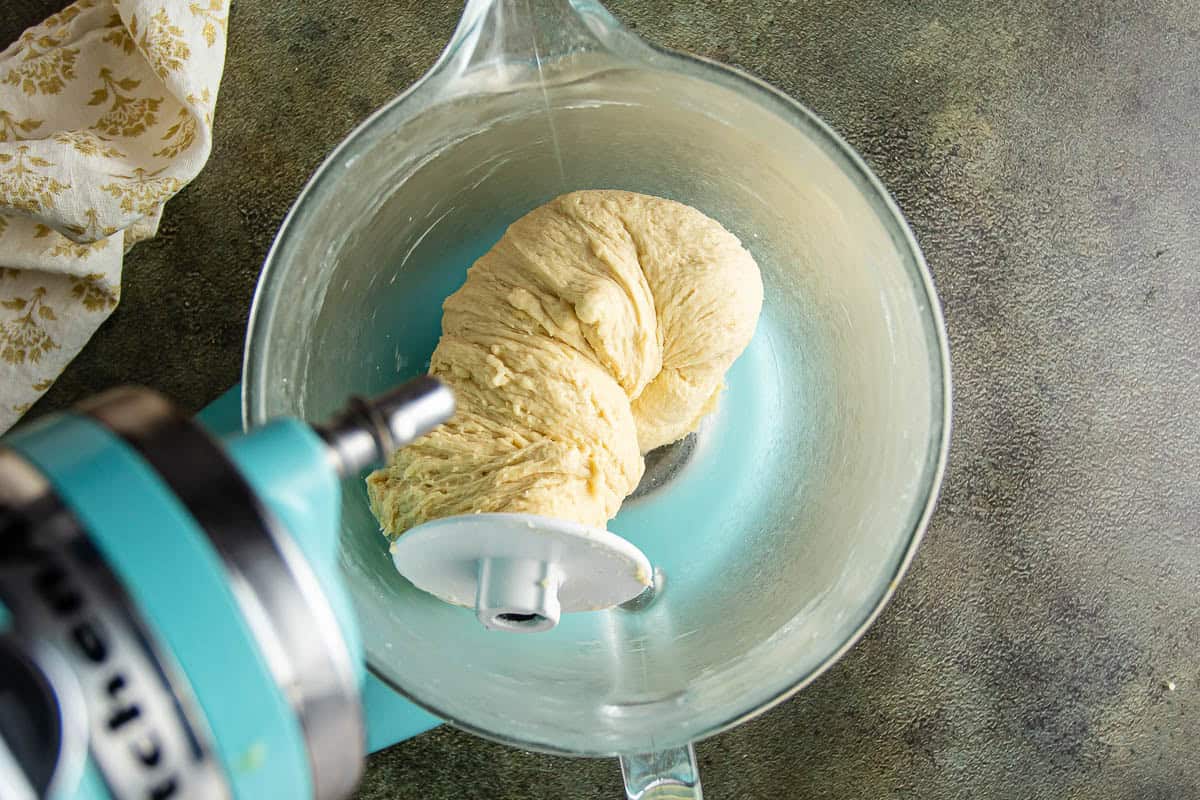
Knead the dough for at least 10 minutes. It should pass the windowpane test (see tips below).
Step 5: Rise
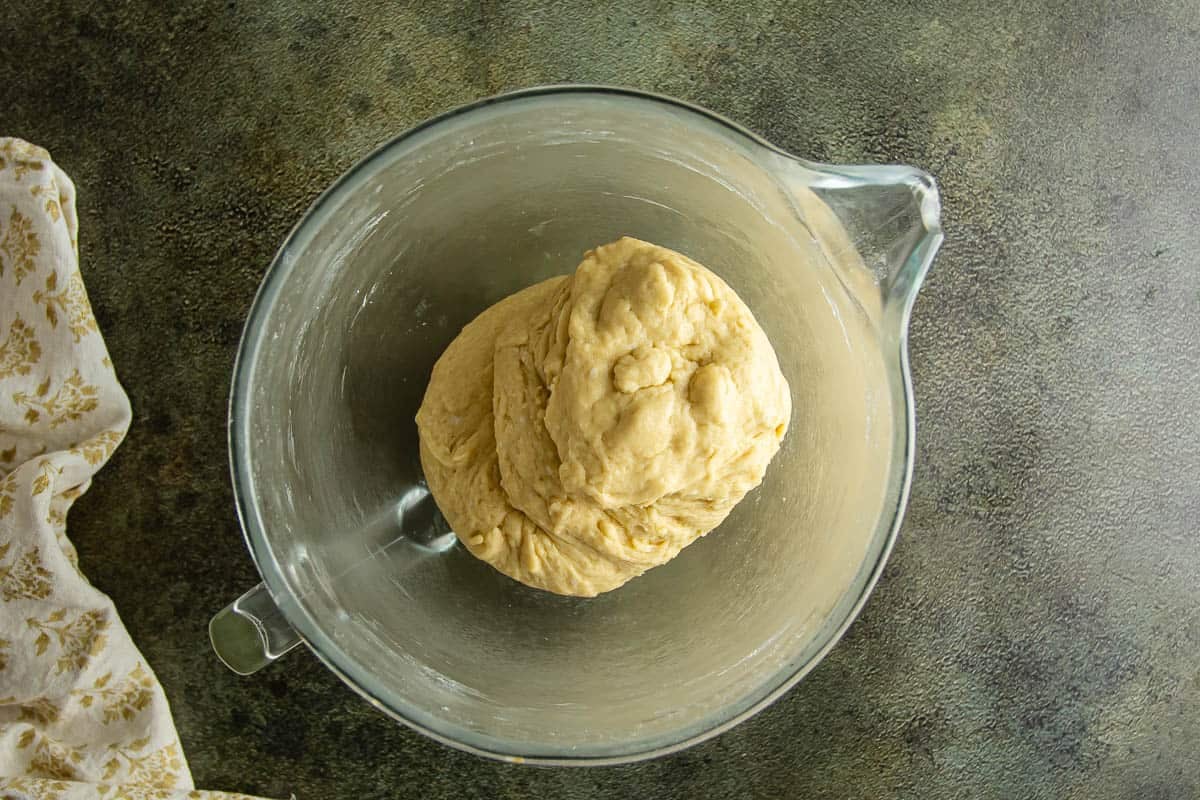
Cover the bowl loosely and let the dough rise in a warm spot until it's almost doubled in size, about 1 hour.
Step 6: Form Rolls
Line a 9x13-inch metal baking pan with parchment paper. If you need help, check out tips on lining pans with parchment.
Uncover the dough, punch it down, and knead it a few times by hand.
Divide the dough into 24 equal pieces, about 1.67 ounces each. Keep the portions lightly covered as you shape each roll.
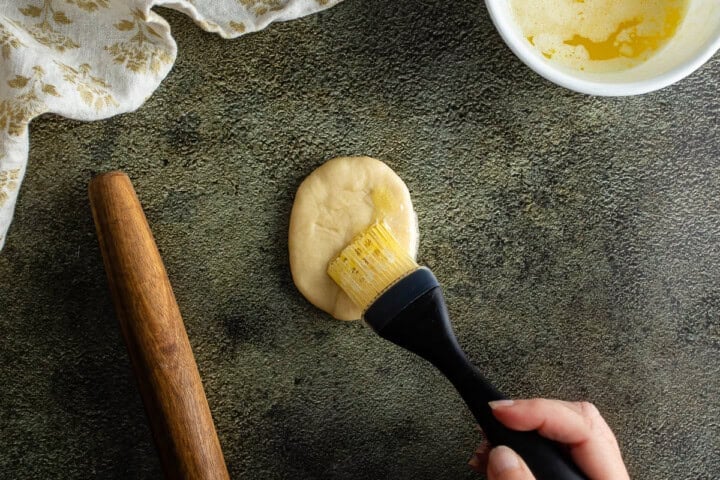
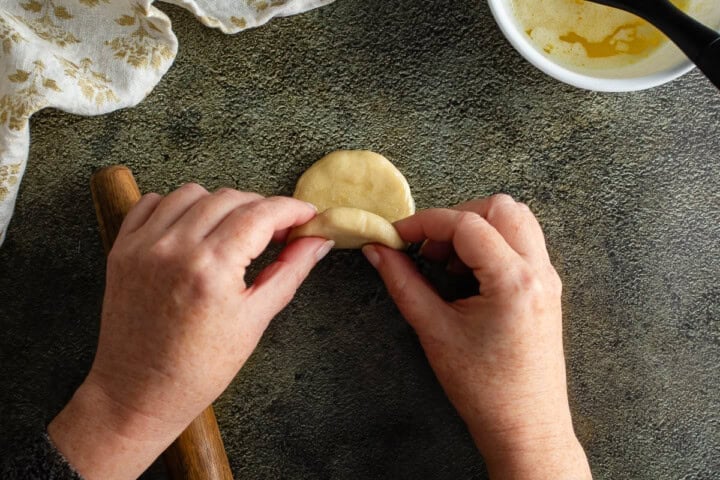
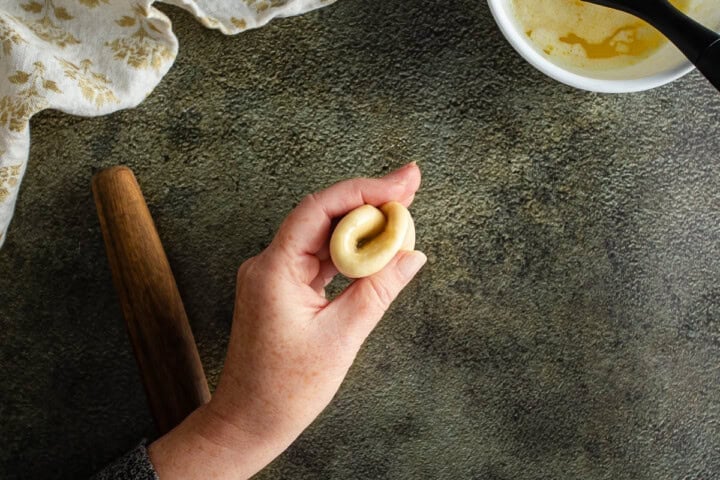
On a lightly floured surface, shape each dough ball into an oval about ¼ inch thick. Brush with melted butter, fold in half, and place seam side down in the pan.
Step 7: Rise Again
Once all 24 rolls are in the pan, cover them lightly and let them rise in a warm place until almost doubled, about 1 hour. You can also refrigerate them overnight.If you chilled the rolls, let them come to room temperature before baking. Then preheat the oven to 350°F.
Step 8: Egg Wash
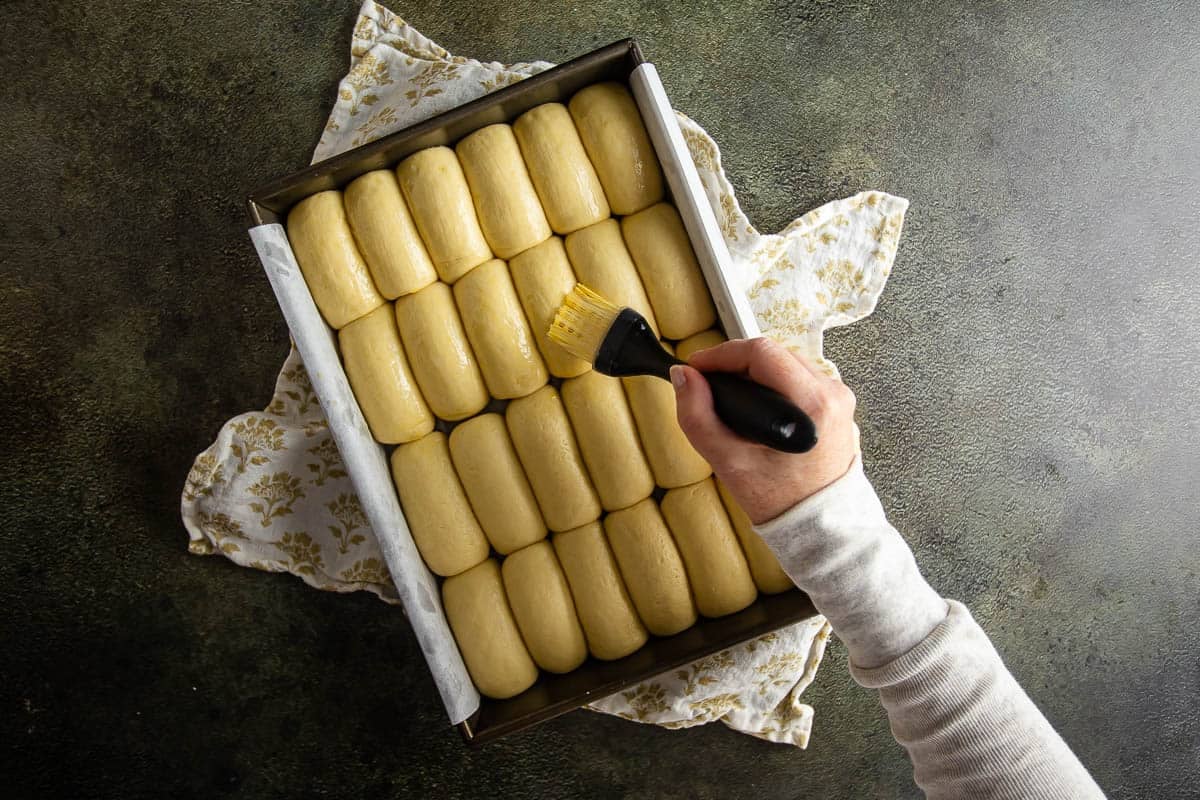
Uncover the rolls and gently brush them with egg wash.
Step 9: Bake
Bake until they are puffed and golden, and the center reaches 190°F, about 20 to 30 minutes.
While the rolls are still warm, brush the tops with melted butter and sprinkle on flaky sea salt.
Helpful Tips and Tricks
- Do the windowpane test. To do the windowpane test, pinch off a small piece of dough and gently stretch it with your fingertips. If it stretches thin enough to see light through, it's ready. If it tears, keep kneading.
- Knead the dough for the full 10 minutes. This helps build the gluten that makes the rolls soft and fluffy.
- Add the butter slowly, one tablespoon at a time. This keeps the dough from getting greasy.
- Check that the water is about 105°F. It should feel warm to the touch, but not hot.
- Use a kitchen scale to weigh the dough so you can divide it evenly. Each piece should be about 1.67 ounces. This helps the rolls bake at the same rate. For more tips, see my guide to measuring ingredients.
- Keep the dough portions lightly covered as you work. This prevents them from drying out.
- Use a thermometer to check doneness. The rolls are ready when the inside reaches 190°F, which is more reliable than just looking at the color.
- If you prefer, use a stand mixer with a dough hook to knead the dough until it passes the windowpane test.
How To Serve Parker House Rolls
Serve these rolls warm with lots of honey butter. They're perfect for a holiday meal with Make-Ahead Mashed Potatoes, Maple and Sage Brown Butter Roasted Turkey, and Homemade Cranberry Sauce. They're also great with soup or a Sunday roast.

Ingredients
- 4 ¼ cups (531.25 g) bread flour
- 2 teaspoons (12 g) salt
- ⅓ cup (66.67 g) granulated sugar
- ⅓ cup (78.86 g) water, warm (approx. 105 degrees F)
- 2 teaspoons (6.22 g) dry active yeast
- ¾ cup (183 g) milk
- 1 (44 g) egg, large
- 1 (18 g) egg yolk, large
- ¾ cup (170.25 g) unsalted butter, softened
- egg wash, (1 egg beaten with a teaspoon or two of water)
- ¼ cup (56.75 g) unsalted butter, melted
- flaky sea salt, optional garnish
Instructions
- Place the flour in a large bowl and sprinkle the salt all around the edge.
- Make a well in the center and add the sugar and the water, then sprinkle the yeast on top and allow it to dissolve.
- Add the milk, the egg, and the egg yolk to the liquid, then (working from the center outwards) stir, gradually drawing the dry ingredients into the liquids until a sticky dough forms.
- Working one tablespoon at a time, stir the soft butter into the dough, allowing each addition to fully incorporate before adding the next.
- Knead the dough for a minimum of 10 full minutes.*
- Cover the bowl lightly and allow the dough to rest in a warm place until nearly doubled in bulk (approx. 1 hour).
- Line a 9x13-inch metal baking pan with parchment.
- Uncover, then punch down the dough and knead it a few times with your hands.
- Divide it into 24 equal portions (each should weigh approx. 1.67 ounces).
- Cover the portions lightly while you shape each roll.
- On a lightly floured surface, pat or roll each dough ball into an oval shape, approx. ¼-inch thick.
- Brush with melted butter, then fold in half and place in the prepared pan with the seam side down.
- When all 24 rolls have been shaped and added to the pan, cover lightly and allow to rest in a warm place until nearly doubled in bulk (approx. 1 hour), or chill in the fridge overnight.
- If chilled, allow the unbaked rolls to come to room temperature, then preheat the oven to 350 degrees F.
- Uncover, brush the rolls gently with egg wash, and bake until puffed and golden, and registering an internal temperature of 190 degrees F (approx. 20 to 30 minutes).
- While still warm, brush the tops of the rolls with melted butter and sprinkle with sea salt for garnish.
Notes
Author

Have a question about this recipe? Ask AI: